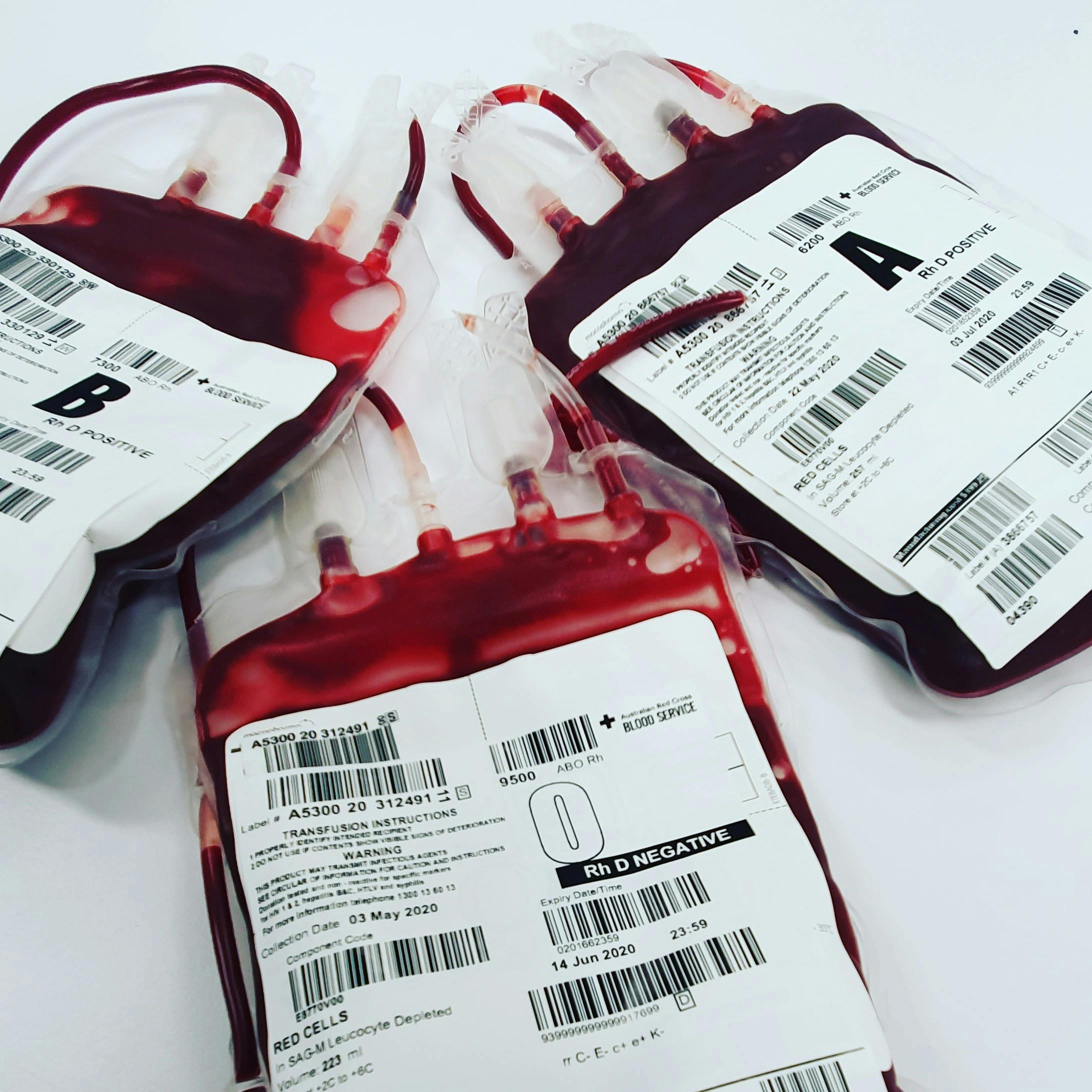
From problematic preconceptions at the diagnosis stage to stigmatized treatment regimens, iron-deficiency anemia stands out as one of the most evident examples of gender bias in healthcare.
Author: Maryam Mansuar
Gender bias manifests in a number of ways when it comes to women’s healthcare. From problematic preconceptions at the diagnosis stage to stigmatized treatment regimens, iron-deficiency anemia stands out as one of the most evident examples of gender bias in healthcare.
Anemia is a condition characterized by low levels of hemoglobin, a protein contained in red blood cells. This compromises how oxygen is carried and distributed throughout the body—a process facilitated by iron. Iron is a micronutrient that helps maintain the production of hemoglobin and is necessary for healthy cells, skin, hair, and nails. Iron from food is absorbed into our bodies by the cells that line the gastrointestinal tract and is then released into the bloodstream [1].
Those who suffer from gastrointestinal diseases or various chronic conditions such as autoimmune disorders have an increased likelihood of developing anemia [1]. However, since blood loss is a key cause of the disorder, menstruating women are commonly believed to be particularly susceptible. While this is not technically wrong, this oversimplified explanation can be harmful, as it may lead those affected to believe that all they need is an over-the-counter iron supplement to fix it.
A common issue in gender-based bias at the diagnostic level is the underdiagnosis or misdiagnosis of conditions in people based on gender stereotypes. This impacts treatment as both doctors and the patients themselves can be dismissive of the severity of symptoms.
For example, the symptoms of iron-deficiency anemia include:
- Yellow, “sallow” skin
- Unexplained fatigue or lack of energy; generalized weakness
- Shortness of breath or chest pain and headaches, especially with activity
- Cravings for ice or dirt/clay (this is called “picophagia”) [1]
So, if menstruation is believed to be a major cause of iron deficiency anemia, it is particularly important to be cognizant of key numbers:
- 1 in 3 women consider their menstrual bleeding to be heavy; [2]
- 30% of women aged 15-49 are affected by anemia globally [3]
Yet, despite the obvious and large disruption to their lives, studies show that most women do not seek medical help or a formal diagnosis that would result in targeted treatment.
To combat gender bias in iron deficiency anemia, it is critical to first get an accurate diagnosis. Both doctors and patients should be careful to not be dismissive of symptoms and ensure that comprehensive testing is conducted: a complete blood count (CBC) to begin, that will gauge the amount of red blood cells, hemoglobin and iron in the blood [1]. Testing for blood in urine and stool samples might follow, and perhaps even an endoscopy or capsule enteroscopy to see what is happening in the body’s gastrointestinal tract [1]. Furthermore, in women with high menstrual blood loss, it may be imperative for a gynecologic evaluation, including a pelvic ultrasound or uterine biopsy, in order to rule out a potential cancer diagnosis [1].
Then, depending on a patient’s medical history and test results, a comprehensive discussion with the doctor should follow. If it is, indeed, a simple treatment pathway of increasing a patient’s iron supply through diet and/or supplementation, then the solution is simple and easily treated. If test results indicate the need for a more nuanced and complex treatment plan, both patient and doctor can approach this next phase with greater clarity and confidence. They can find reassurance in knowing they have taken thoughtful, deliberate steps to counter and challenge gender bias as it specifically relates to iron deficiency anemia.
Editors
Sally Adil, Yasmin Anderson, Rawad Al-Aarg, Majd Al-Aarg (Editor-in-Chief)
Designer
Web design by Majd-Alarg
Additional Credits
Photo by Charlie-Helen Robinson
References
- Iron-Deficiency Anemia [Internet]. http://www.hematology.org. Available from: http://www.hematology.org/Patients/Anemia/Iron-Deficiency.aspx
- Heavy periods (heavy menstrual bleeding) [Internet]. NHS inform. 2024 [cited 2024 Aug 27]. Availablefrom:https://www.nhsinform.scot/healthy-living/womens-health/girls-and-young-women-puberty-to-around-25/periods-and-menstrual-health/heavy-periods/#:~:text=According%20to%20Women
- Anaemia [Internet]. World Health Organization. Available from: https://www.who.int/news-room/fact-sheets/detail/anaemia#:~:text=Scope%20of%20the%20problem&text=Anaemia%20is%20estimated%20to%20affect

