
The key to personal growth lies in the power of consistency and incremental improvement. By focusing on becoming just 1% better daily, individuals can achieve lasting changes that enhance well-being. Establishing small, manageable habits promotes stability, reduces stress, and fosters resilience, ultimately leading to significant improvements in quality of life.
Category Archives: Psychology
The Placebo Effect: a Connection Between Body and Mind
The placebo effect illustrates the profound influence of psychological factors on physical health. Historical treatments, like Perkins tractors, demonstrated this effect, where patients experienced relief despite receiving non-effective treatments. Although mechanisms remain unclear, understanding the placebo could enhance medical outcomes, warranting ethical consideration in its application and potential as an open-label placebo.
The Science of Laughter: How Humor Benefits both Mental and Physical Health
Laughter serves as a valuable remedy for stress, enhancing both mental and physical well-being. It triggers the release of neurotransmitters like endorphins and serotonin, promoting happiness and reducing anxiety. Regular laughter strengthens the immune system, improves cardiovascular health, and fosters social connections, contributing to a healthier and happier life overall.
How Nature Therapy Can Benefit Your Mental Health

Nature therapy, also known as ecotherapy, harnesses the healing power of nature to improve mental and physical health. Engaging in outdoor activities—like gardening and adventure therapy—enhances well-being by reducing stress, anxiety, and depression. By integrating nature into daily life, individuals can significantly boost their overall health and mitigate mental health challenges.
Hormonal Contraceptives’ Impact on Mood
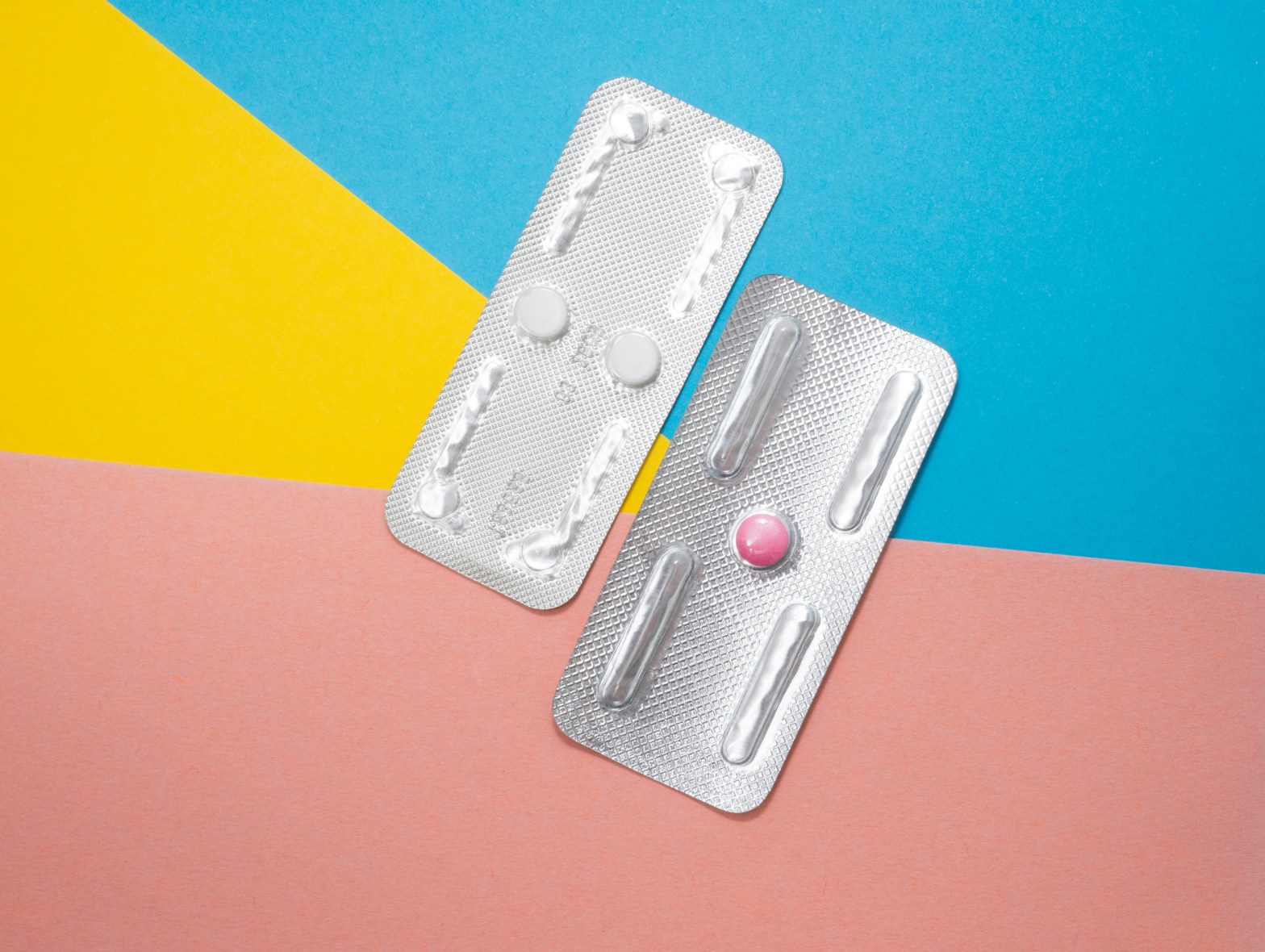
Hormonal contraception, such as pills and implants, can impact mood, causing mood swings, depression, and anxiety. Factors like age, dosage, delivery method, and continuous use play a role. Different methods have varying effects, with continuous pill use showing fewer mood swings. It’s challenging to predict individual responses, so it’s essential to consult healthcare providers for personalized advice.
Toxic Relationships: Definition, Signs, and Advice
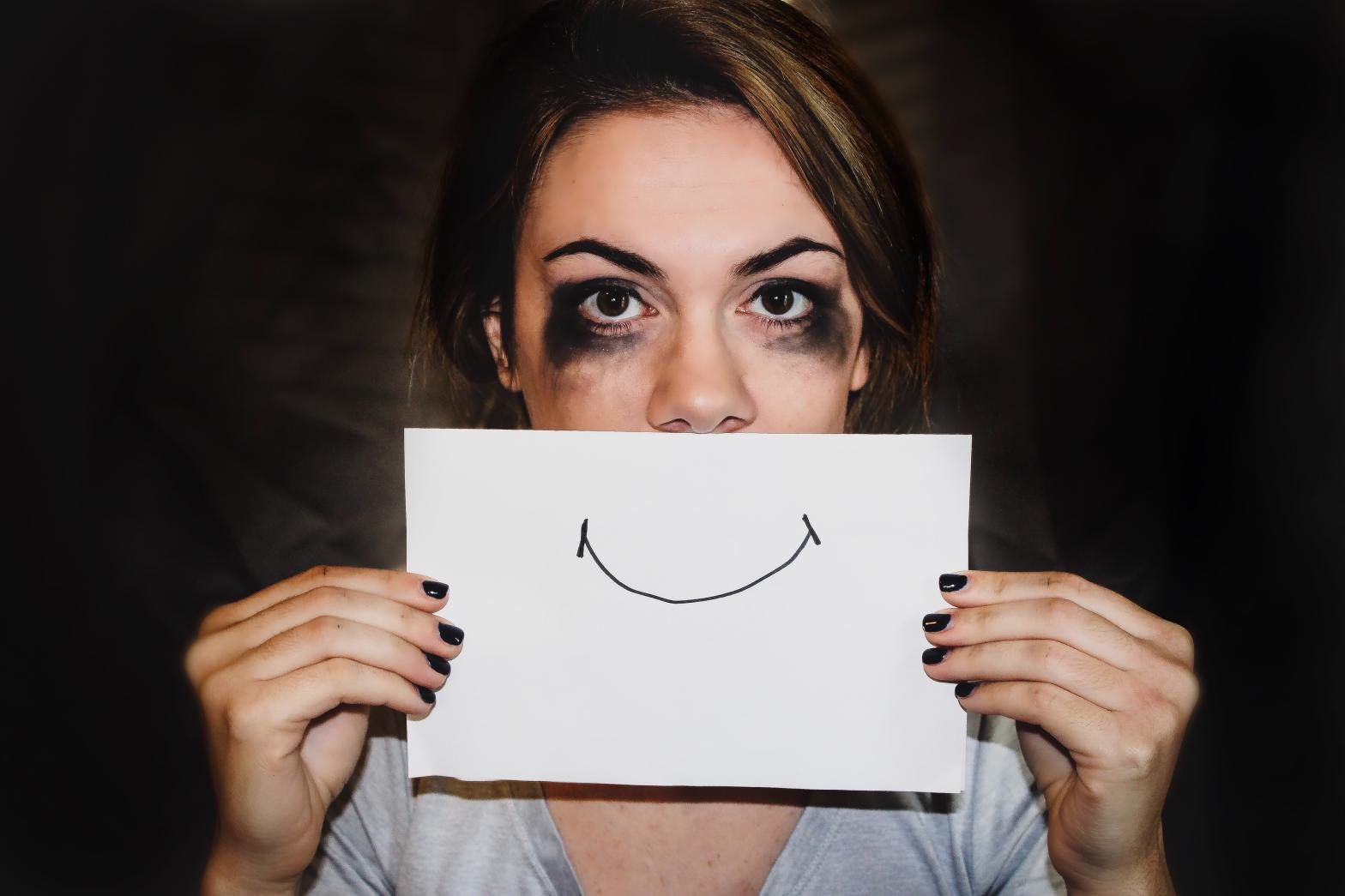
“Love should never cost you your peace. It should never cost you your joy. It should never cost you your happiness. If there’s more negative in the situation than positive, something has to change” — Carolyn Gamble [1]. Author: Hadeel Alhadi What is a toxic relationship? A toxic relationship, according to professor Lillian Glass, isContinueContinue reading “Toxic Relationships: Definition, Signs, and Advice”
The Bystander Effect

The bystander effect is a simple concept: when in an emergency situation, observers are more likely to take action if there are few or no other witnesses [2] Author: Kaz Shuji A homeless man passes out on the street while people walk by. What is happening here and why does it seem to happen often? [1]ContinueContinue reading “The Bystander Effect”
Exploring Nonverbal Communication
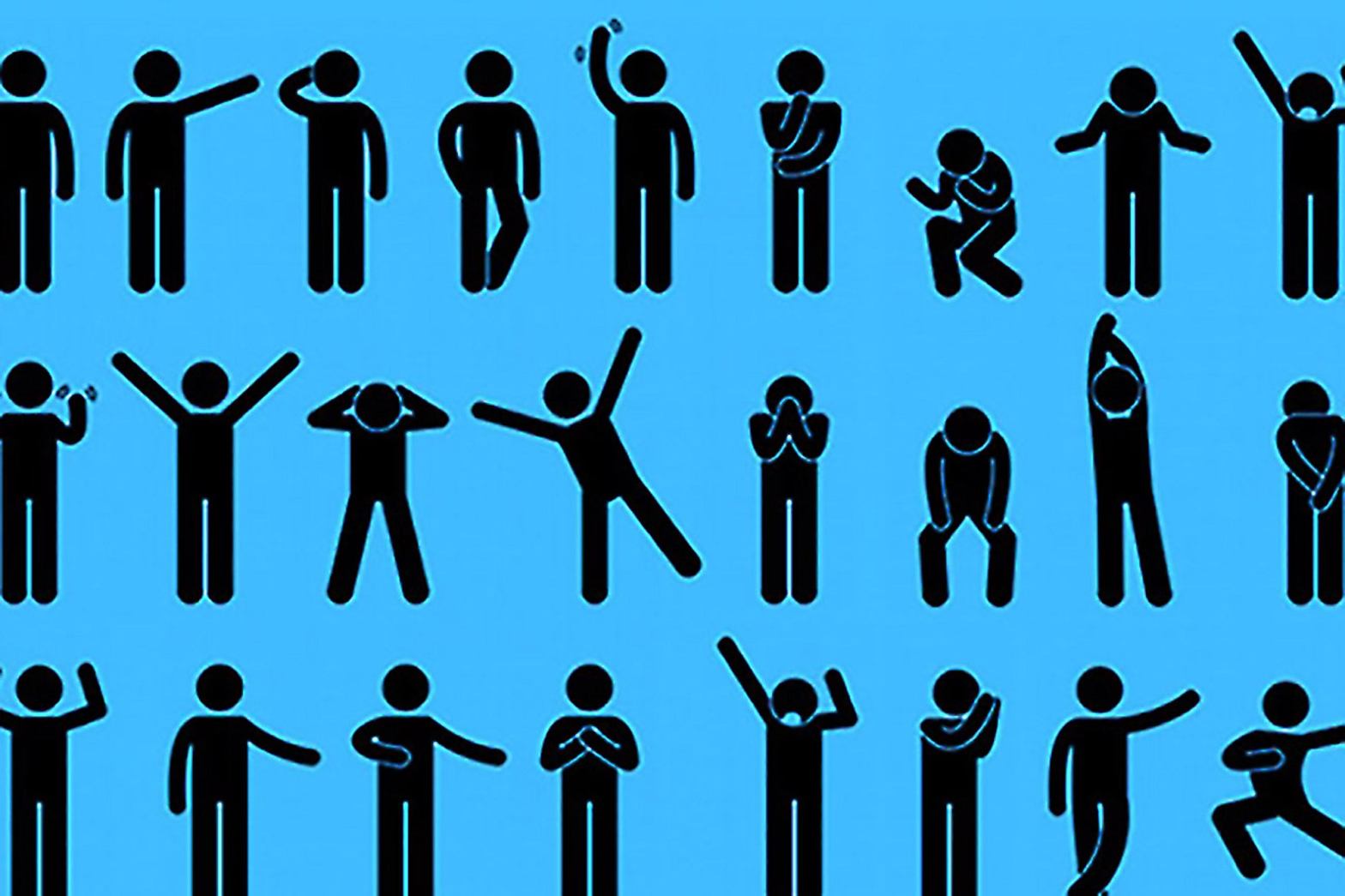
Author: Kaz Shuji “Actions speak louder than words.” What exactly does this mean in the context of interpersonal communication? When we interact with others on a day-to-day basis, we are continuously giving and receiving wordless signals [1]. Nonverbal communication is a means of transmitting information through physical behaviour, expressions, gestures, postures, and mannerisms [1]. InContinueContinue reading “Exploring Nonverbal Communication”
Music and the Brain: Cerebral Activity in Patients with Neurological Disorders

Does listening to music have any effect on the brain? Research has shown that music can positively impact the brain whether it is evoking memories in Alzheimer’s patients, or helping patients recover from a severe brain injury. Author: Jasmine Kokkat The number of parents paying for childrens’ music classes in Canada are increasing, and soContinueContinue reading “Music and the Brain: Cerebral Activity in Patients with Neurological Disorders”
What happens to your brain when you learn a language?
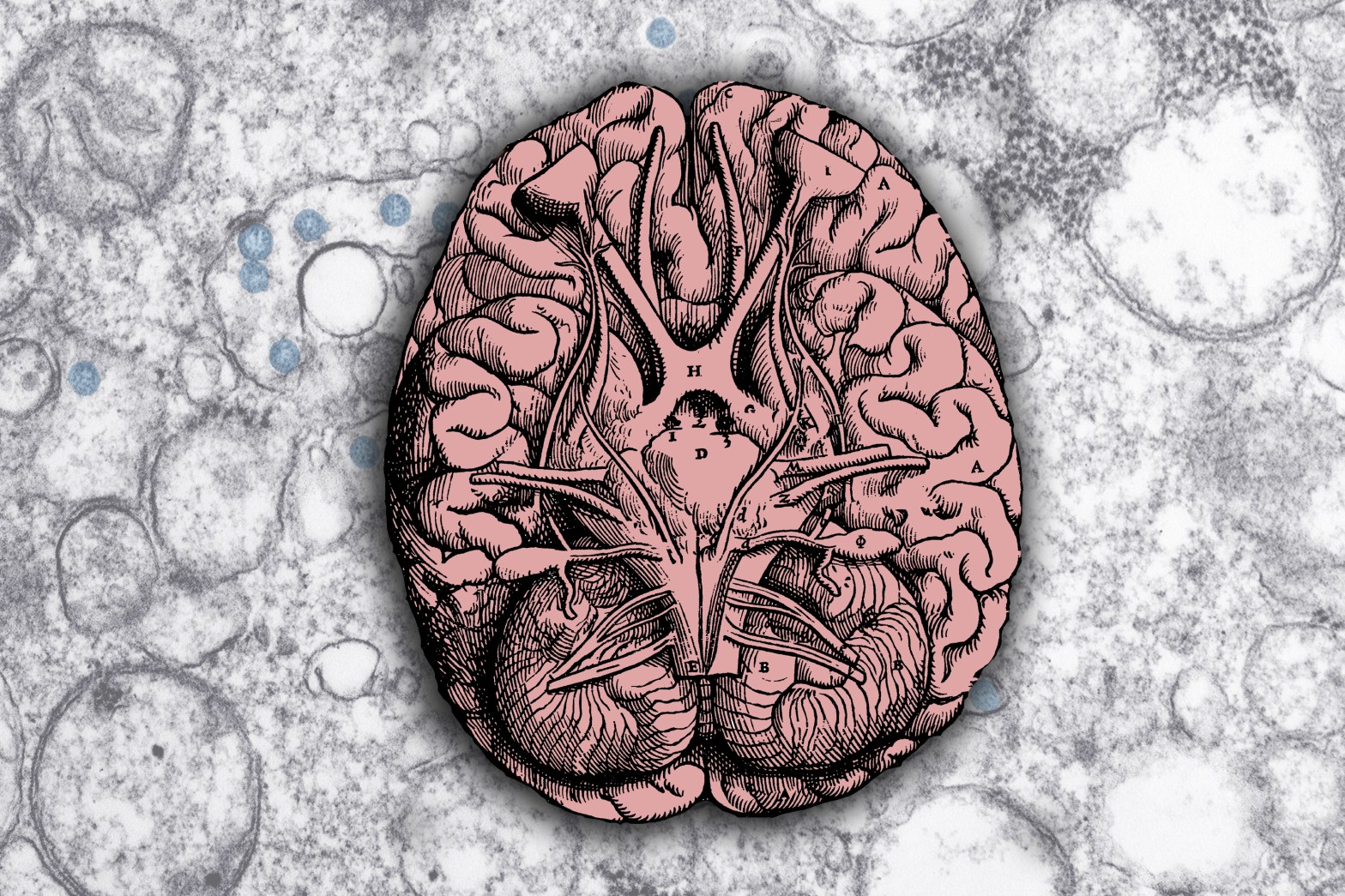
Author: Rushil Dua Language is a crucial part of the human experience — our shared innate nature. It provides us with a frame of reference on our life perspective, a way to express ourselves, and to organise our thoughts. Almost everyone is competent in at least one language, which is managed by different parts ofContinueContinue reading “What happens to your brain when you learn a language?”
 Hands On Health Magazine