
The key to personal growth lies in the power of consistency and incremental improvement. By focusing on becoming just 1% better daily, individuals can achieve lasting changes that enhance well-being. Establishing small, manageable habits promotes stability, reduces stress, and fosters resilience, ultimately leading to significant improvements in quality of life.
Category Archives: Mental Health
The Placebo Effect: a Connection Between Body and Mind
The placebo effect illustrates the profound influence of psychological factors on physical health. Historical treatments, like Perkins tractors, demonstrated this effect, where patients experienced relief despite receiving non-effective treatments. Although mechanisms remain unclear, understanding the placebo could enhance medical outcomes, warranting ethical consideration in its application and potential as an open-label placebo.
The Science of Laughter: How Humor Benefits both Mental and Physical Health
Laughter serves as a valuable remedy for stress, enhancing both mental and physical well-being. It triggers the release of neurotransmitters like endorphins and serotonin, promoting happiness and reducing anxiety. Regular laughter strengthens the immune system, improves cardiovascular health, and fosters social connections, contributing to a healthier and happier life overall.
How Nature Therapy Can Benefit Your Mental Health

Nature therapy, also known as ecotherapy, harnesses the healing power of nature to improve mental and physical health. Engaging in outdoor activities—like gardening and adventure therapy—enhances well-being by reducing stress, anxiety, and depression. By integrating nature into daily life, individuals can significantly boost their overall health and mitigate mental health challenges.
Hormonal Contraceptives’ Impact on Mood
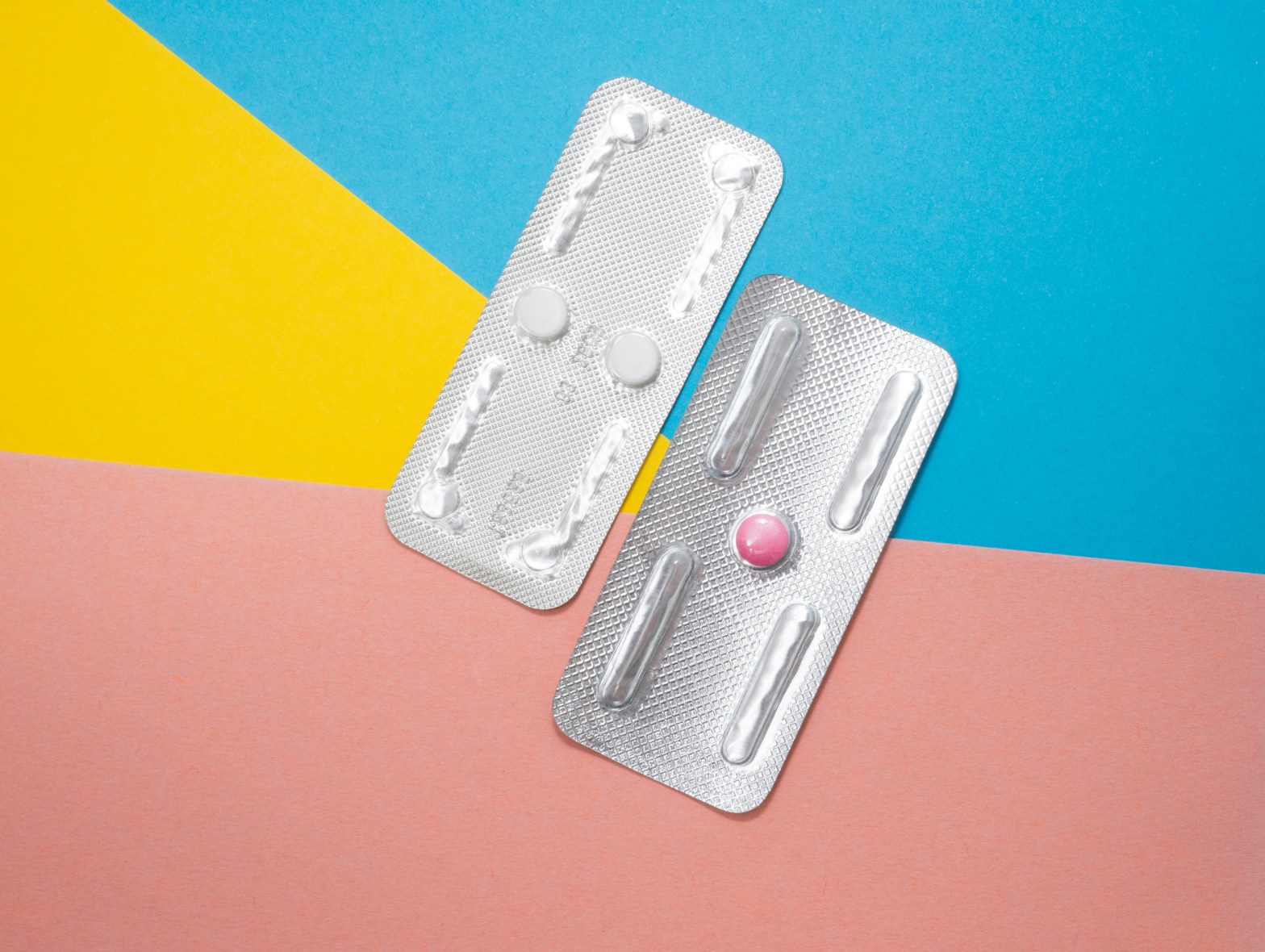
Hormonal contraception, such as pills and implants, can impact mood, causing mood swings, depression, and anxiety. Factors like age, dosage, delivery method, and continuous use play a role. Different methods have varying effects, with continuous pill use showing fewer mood swings. It’s challenging to predict individual responses, so it’s essential to consult healthcare providers for personalized advice.
Toxic Relationships: Definition, Signs, and Advice
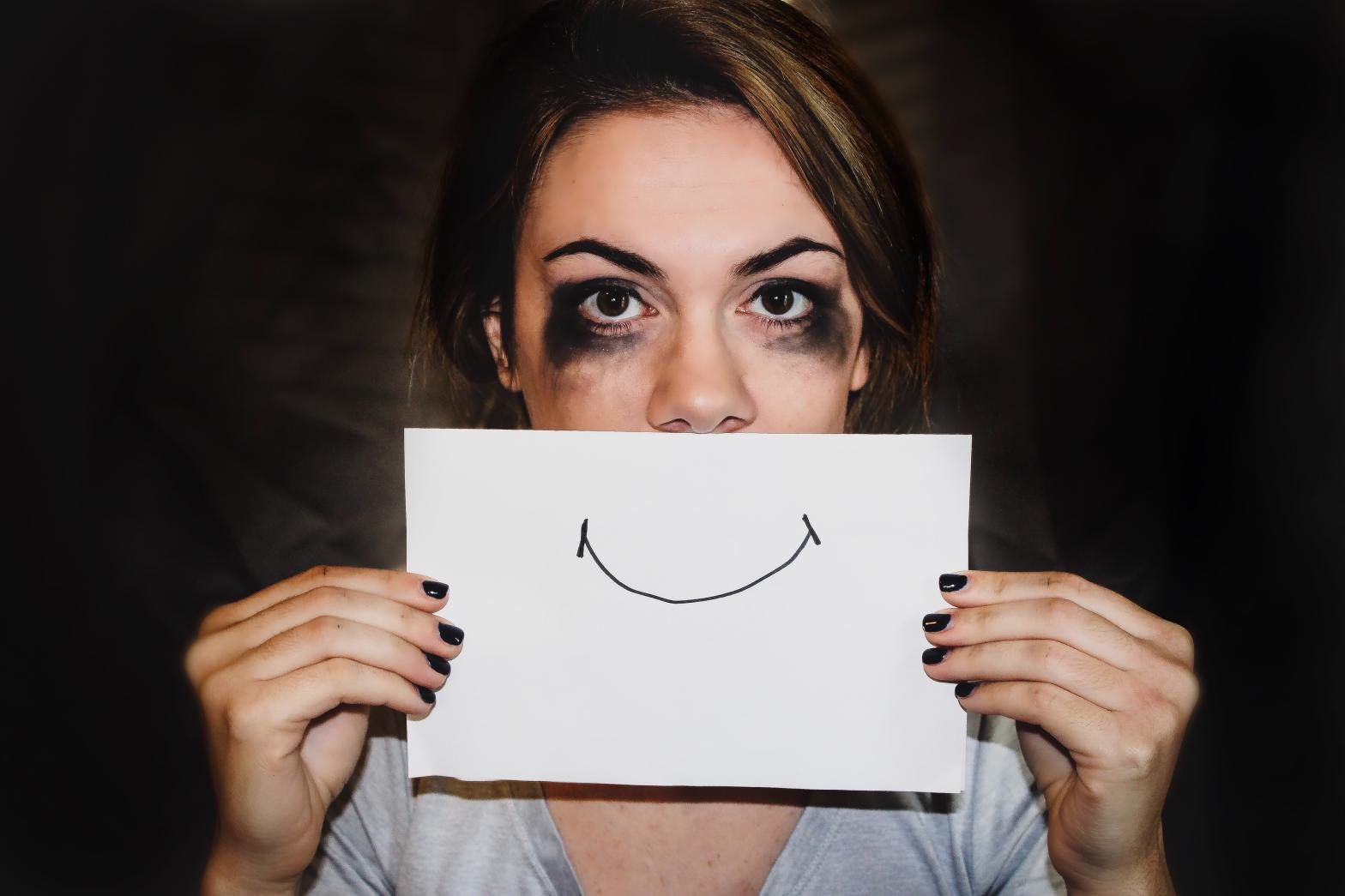
“Love should never cost you your peace. It should never cost you your joy. It should never cost you your happiness. If there’s more negative in the situation than positive, something has to change” — Carolyn Gamble [1]. Author: Hadeel Alhadi What is a toxic relationship? A toxic relationship, according to professor Lillian Glass, isContinueContinue reading “Toxic Relationships: Definition, Signs, and Advice”
How to Care for Your Mental Health During Remote Learning: A Student’s Advice
As protective measures during COVID-19 persist, many students have transitioned to virtual learning. From an increased workload to adapting to new online learning tools, virtual education is adding to the stress caused by isolation, fear, and financial struggles. While the challenges of online learning should be addressed institutionally, there are few things students can doContinueContinue reading “How to Care for Your Mental Health During Remote Learning: A Student’s Advice”
What is Art Therapy?

By: Varsa Murugesu
Fine Tuning Melodies into Medicine
Author: Juliane Feliciano. “With music therapy becoming an increasingly known method for improving health outcomes for patients of various physical and mental ailments, the hope for the future is to explore the full potential of sound and its benefits, and see how music can truly be medicine.”
Impact of COVID-19 On Mental Health

Author: Mouayad Masalkhi.
Impact of COVID-19 on Mental Health.
 Hands On Health Magazine